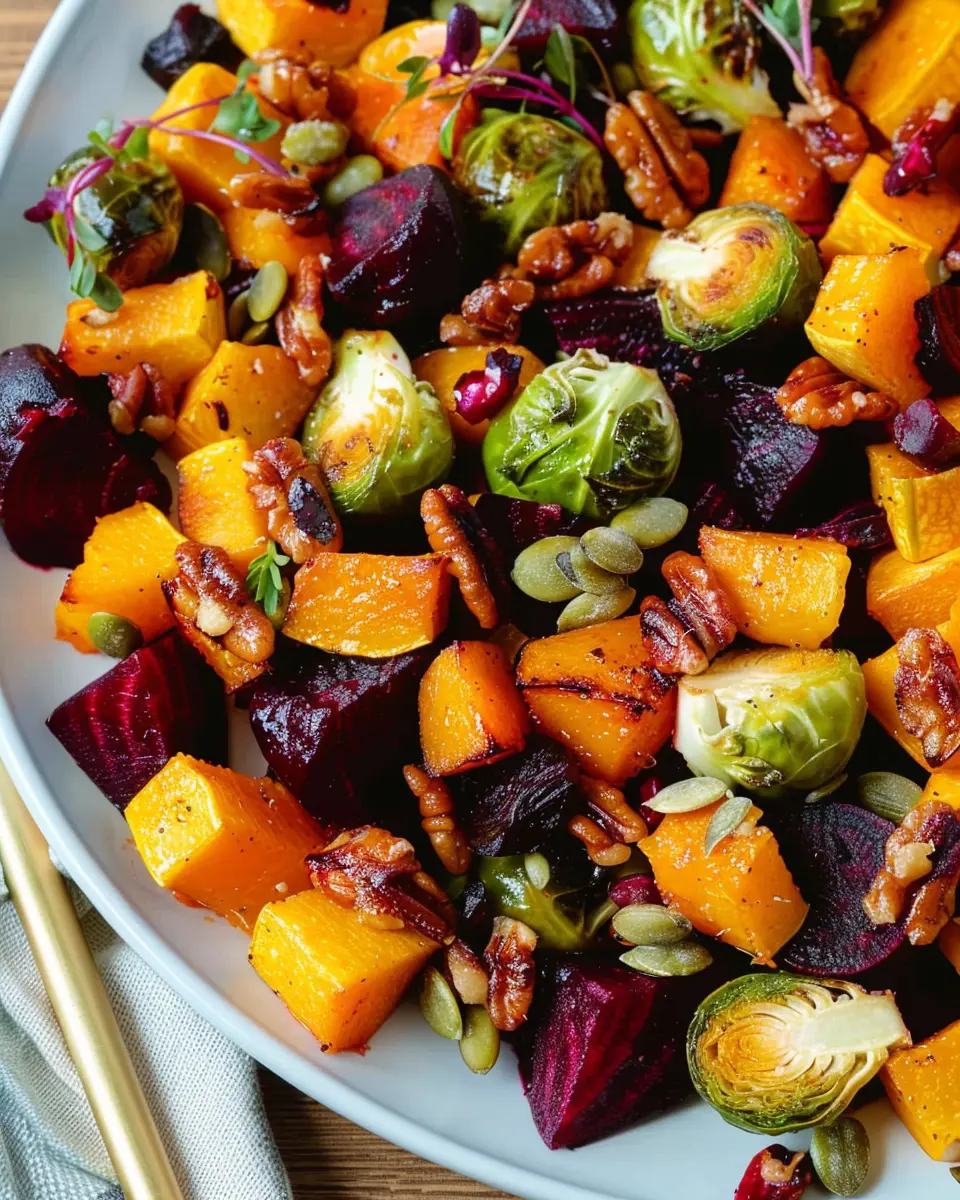
Introduction to Winter Vegetable Salad
As the winter months roll in, it’s time to embrace the joy of winter vegetables in our meals. Not only do these hearty vegetables add vibrant colors and textures to our dishes, but they also pack in an array of nutritional benefits that can help us stay healthy during the colder season. Think about it: finding a warm, comforting dish on a chilly day can be uplifting. What if that dish also offered your body the nutrients it craves?
Including winter vegetables in your meals not only supports immune health but also provides essential vitamins and minerals that are sometimes lacking in our diets during winter months. According to data from the USDA, vegetables like butternut squash, Brussels sprouts, and beets are rich in antioxidants and fiber—key components for maintaining energy levels and gut health during the winter season.
Why Embrace Winter Vegetables in Your Meals?
Here are some compelling reasons to make seasonal vegetables the stars of your plate:
-
Maximize flavor: Winter veggies are incredibly flavorful and when roasted or sautéed, they develop a sweet, comforting richness that’s perfect for this time of year.
-
Nutritional powerhouses: Many winter vegetables are high in vitamins A, C, and K. Beets, for example, are not just excellent sources of fiber but also help improve blood flow and lower blood pressure, according to a recent study published in the Journal of Nutrition.
-
Sustainability matters: Eating what’s in season supports local agriculture and reduces our carbon footprint. Plus, it’s a way to enjoy the freshest produce available.
Crafting Your Winter Vegetable Salad
Now that you know the benefits of incorporating winter vegetables into your diet, let’s think about how to create a delicious Winter Vegetable Salad. Picture a vibrant salad with roasted butternut squash, crisp Brussels sprouts, and earthy beets, all tossed together to create a warm and satisfying dish. It’s not just a salad; it’s an experience that nourishes both body and soul.
So why not dive into making your own Winter Vegetable Salad? It’s a fun and engaging way to experiment in the kitchen while taking advantage of the seasonal bounty. Plus, who wouldn’t want to impress friends and family with a colorful, nutritious dish? Start with fresh ingredients, and you’ll be surprised at how simple yet rewarding this salad can be.
For a deeper look into perfecting your salad, consider these resources: USDA Vegetables, and The Nutrition Source. Happy cooking!
Ingredients for Winter Vegetable Salad
Main Components
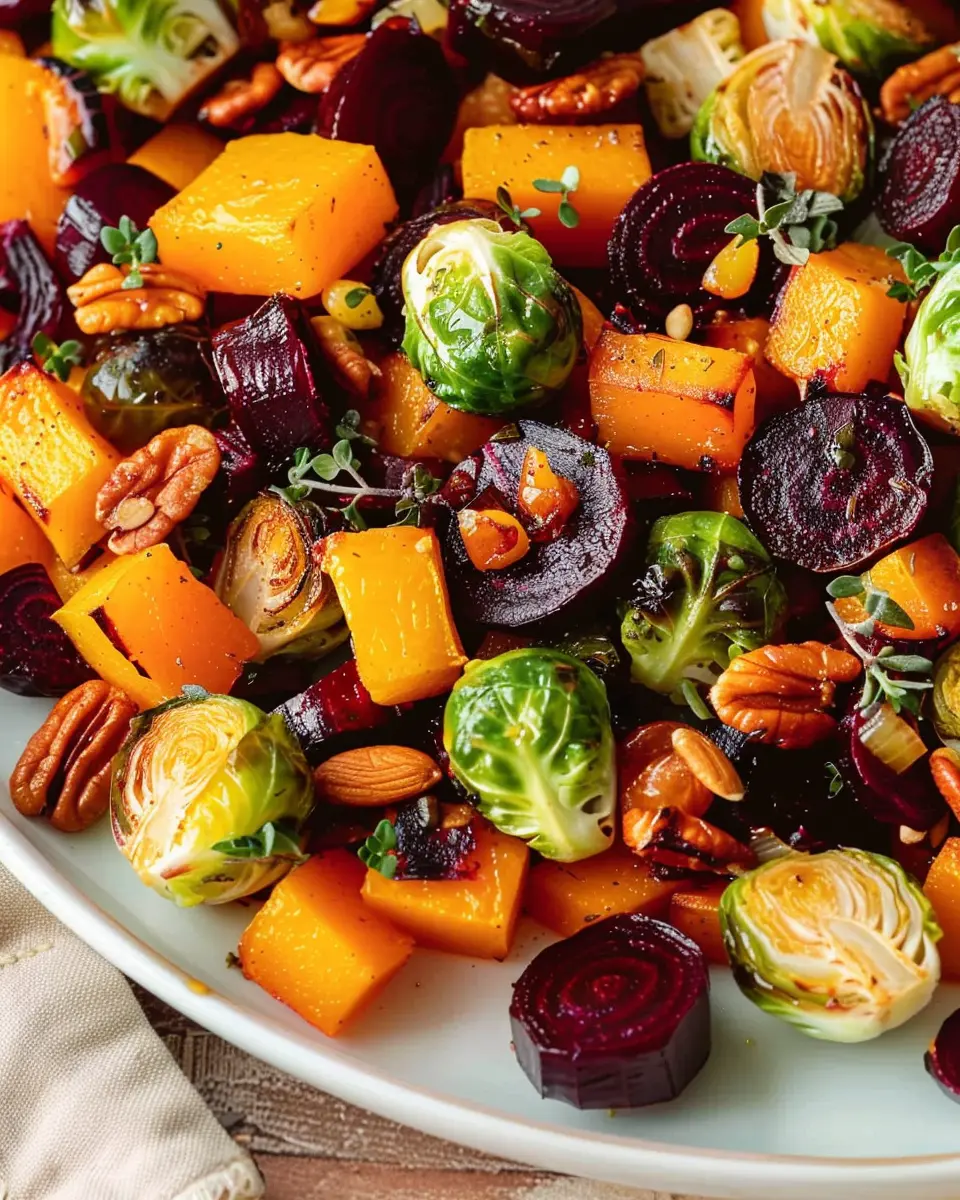
To create a delightful Winter Vegetable Salad, you’ll want to gather these fresh ingredients that embody the flavors of the season:
- Butternut Squash: Cut into cubes, this creamy squash adds a natural sweetness.
- Brussels Sprouts: Trimmed and halved, they offer a satisfying crunch and earthy taste.
- Beets: Roasted or boiled, their vibrant color and sweetness are irresistible.
- Turkey Bacon: For a crispy, savory touch, think of sprinkling in some chopped turkey bacon.
- Chicken Ham: A great alternative that complements the other ingredients perfectly.
Condiments and Dressings
The right dressing can brighten your Winter Vegetable Salad. Consider using:
- Olive Oil: A healthy base that enhances the vegetables’ flavors.
- Maple Syrup: A splash adds a sweet depth that pairs well with the earthiness of the beets.
- Apple Cider Vinegar: This tangy option balances the sweetness with a refreshing zest.
- Dijon Mustard: A little bit brings a kick that harmonizes all ingredients, making every bite a burst of flavor.
With these components, you’ll be well on your way to creating a Winter Vegetable Salad that warms the soul! For more tips on preparing winter veggies, check out this comprehensive guide on eating seasonal produce.
Preparing Winter Vegetable Salad
Winter is a delightful time to embrace hearty vegetables that bring warmth and nourishment to your meals. This Winter Vegetable Salad not only bursts with flavor but also showcases vibrant ingredients that reflect the season. Let’s break down how to prepare this delicious dish, step by step.
Preheat the oven and prepare the baking sheets
Start by preheating your oven to 425°F (220°C). It’s essential to get that heat up so we can achieve a lovely caramelization on our veggies. While the oven heats, line two baking sheets with parchment paper. This simple step helps prevent sticking and makes cleanup a breeze. Plus, it allows your roasted vegetables to achieve that perfect golden-brown finish!
Roast the Brussels sprouts
Next, let’s focus on those Brussels sprouts. These tiny green powerhouses are packed with vitamins K and C. Trim the ends and cut them in half. Toss them with a drizzle of olive oil, a pinch of salt, and some freshly cracked pepper to taste. Spread them out on one of your prepared baking sheets in a single layer for even roasting. Bake for about 20-25 minutes, or until they are crispy and caramelized. Keep an eye on them; you want that perfect balance of texture and flavor.
Roast the butternut squash
While the Brussels sprouts are roasting, it’s time for the butternut squash. Peel and dice your squash into cubes (about 1-inch size). This reduces cooking time and ensures they’re tender and tasty. Just like with the sprouts, toss the cubes in olive oil, salt, and pepper, then spread them out on the second baking sheet. Roast for about 25-30 minutes, flipping halfway through, until they are fork-tender and lightly browned. The sweet, nutty flavor of butternut squash perfectly complements the other ingredients.
Cook the beets
Now onto the beets! If you’re using fresh beets, you’ll want to roast them for about an hour wrapped in foil at 400°F (200°C) until tender. Alternatively, you can opt for pre-cooked beets for convenience. If using fresh, simply peel and dice them after they cool, letting you enjoy their earthy sweetness without much fuss. Beets are great because they’re not only delicious but are also known for their antioxidant properties. Plus, they add a vibrant pop of color to your Winter Vegetable Salad!
Toast the pecans
To elevate the crunch factor, let’s toast some pecans. Simply place them in a dry skillet over medium heat. Stir frequently for about 5-7 minutes until they’re fragrant and golden brown. Toasted nuts add a lovely depth of flavor and some healthy fats that help keep you satiated. P.S. – if you’re feeling adventurous, sprinkle a bit of cinnamon or a drizzle of maple syrup over them for an extra sweet twist!
Assemble the salad
With all our ingredients prepped and ready, it’s time to bring this Winter Vegetable Salad to life! In a large salad bowl, combine the roasted Brussels sprouts, butternut squash, diced beets, and toasted pecans. Feel free to mix in some fresh greens like arugula or spinach for that added freshness. Keep in mind that you can personalize this salad with other add-ins like quinoa or feta cheese for extra texture and flavor.
Choose and prepare the dressing
For the dressing, you can choose from a simple lemon vinaigrette or a creamy tahini dressing to drizzle over your salad. Just mix together olive oil, lemon juice, honey, and a sprinkle of salt and pepper for a refreshing finish. If you’re feeling bold, a balsamic reduction adds a delightful tanginess that complements the sweetness of the vegetables perfectly. Don’t forget to taste as you go to ensure it’s just right for your palate!
With this guide, preparing a hearty and delicious Winter Vegetable Salad is a breeze. Not only is it nutritious, but it also brings warmth and comfort to your winter table. Enjoy!
Variations on Winter Vegetable Salad
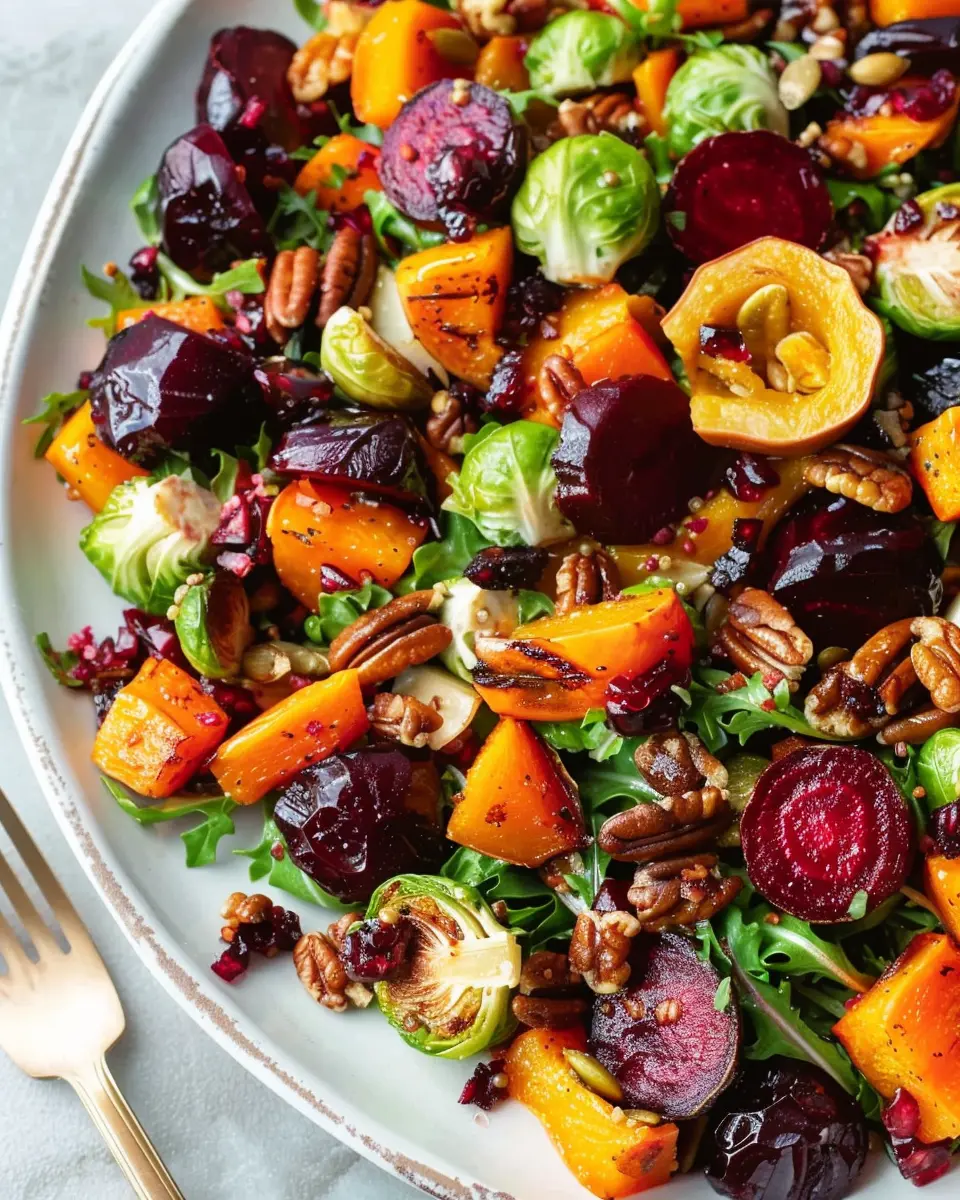
Winter is a fantastic time to explore variations on winter vegetable salad, as the produce available is rich and vibrant. If you’re looking to make your salad more nutritious and filling, consider adding proteins for a complete meal.
Adding Proteins for a Complete Meal
Incorporating protein not only takes your salad to the next level but also makes it satisfying. Here are some delicious options to mix into your winter vegetable salad:
- Grilled Chicken or Chicken Ham: These lean proteins complement the earthy flavors of roasted vegetables beautifully.
- Turkey Bacon: For those craving something a bit crispy, turkey bacon adds a delightful crunch and smoky flavor.
- Chickpeas or Lentils: Both are excellent plant-based protein sources that enhance texture and flavor, while also providing fiber.
Consider complementing these ingredients with a hearty dressing made from olive oil, lemon juice, and a touch of honey for sweetness.
Seasonal Fruit Additions
Don’t shy away from adding seasonal fruits! A touch of sweetness can elevate your winter vegetable salad and balance its savory notes. Some great choices include:
- Pomegranate Seeds: These juicy bursts add color and a delightful crunch.
- Citrus Segments: Oranges or grapefruits not only add brightness but also a refreshing tang.
- Sliced Apples or Pears: Their natural sweetness pairs wonderfully with the earthiness of beets and squash.
By blending these ingredients into your salad, you not only create a culinary masterpiece but also up the ante on nutrients. For more inspiration on seasonal eating, check out the Seasonal Produce Guide and discover what else you can add to your plate!
Cooking tips and notes for Winter Vegetable Salad
Best practices for roasting vegetables
Roasting brings out the rich flavors in winter vegetables like butternut squash, Brussels sprouts, and beets. To achieve perfectly roasted veggies:
- Uniform Cutting: Cut vegetables into consistent sizes to ensure even cooking. Smaller pieces will caramelize beautifully, while larger ones may need extra time.
- High Heat: Preheat your oven to about 425°F (220°C). This temperature promotes that irresistible golden-brown color.
- Spacing is Key: Arrange vegetables in a single layer on your baking sheet, so they roast rather than steam. Crowded veggies tend to become mushy.
Discover more roasting tips from platforms like Serious Eats.
Tips for beet preparation
Beetroots are often seen as intimidating, but they’re simple to prepare! Here’s how you can make beet prep a breeze for your Winter Vegetable Salad:
- Peeling: Use gloves to avoid staining your hands. Once cooked, skins can be easily rubbed off.
- Cooking Options: You can roast, boil, or steam beets, but roasting enhances their sweetness. Try wrapping them in foil for mess-free cooking.
- Storage: If you’re prepping ahead, store cooked beets in the fridge for up to a week, making it easier to toss them into salads throughout the week.
Incorporate these tips to enhance both flavors and presentation in your Winter Vegetable Salad! For a deeper dive into beet benefits, check out Healthline.
Serving suggestions for Winter Vegetable Salad
Perfect pairings for your salad
When it comes to enjoying your Winter Vegetable Salad, consider complementing it with protein-rich options. Sliced grilled chicken, turkey bacon, or even a sprinkling of feta can add an irresistible depth of flavor. Additionally, serving it with a warm crusty bread or grain—like quinoa or farro—can elevate the meal’s heartiness. For a refreshing contrast, pair your salad with a citrus-infused sparkling water to cleanse the palate between bites.
Creative presentation ideas
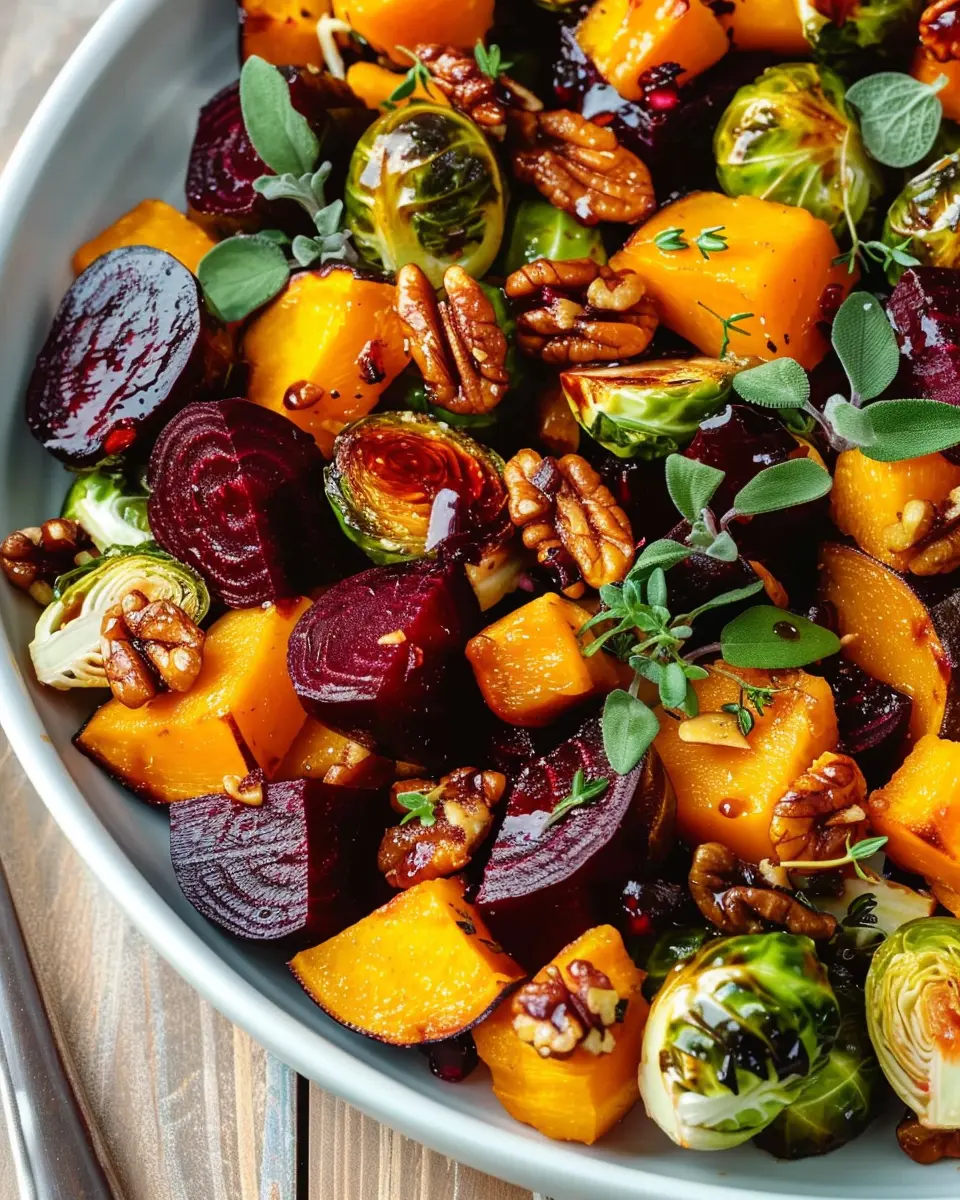
Presentation can make all the difference when serving your Winter Vegetable Salad. Try using an oversized, shallow bowl to showcase the vibrant colors of the roasted butternut squash, Brussels sprouts, and beets. Layer the vegetables artfully and drizzle your dressing just before serving for that “wow” factor. Garnish with toasted nuts or microgreens to add texture and visual appeal. For individual servings, you can use mason jars, layering ingredients for a beautiful, portable option—a perfect lunch for those busy workdays!
For more inspiration on salad presentations, check out this guide on elevating everyday meals.
Time breakdown for Winter Vegetable Salad
Preparation time
Getting your ingredients ready is key to a smooth cooking experience. For this Winter Vegetable Salad, set aside about 20 minutes. This time includes washing and chopping butternut squash, Brussels sprouts, and beets. Basic vegetable prep is essential—it’s where the heart of your salad comes together.
Cooking time
The cooking process won’t take long! Allow for roughly 25 to 30 minutes. Roasting brings out the natural sweetness in the squash and beets, enhancing the overall flavor profile of the dish. Plus, the warm vegetables complement the freshness of the sprouts.
Total time
In total, you’re looking at around 50 to 55 minutes from start to finish for this Winter Vegetable Salad. It’s a perfect opportunity to relax a bit in the kitchen while enjoying the delightful smell as everything cooks. Grab a playlist, pour yourself a refreshing drink, and let the cooking magic unfold!
Ready to impress your friends? Check out these tips on perfecting roasted vegetables for even more flavor.
Nutritional Facts for Winter Vegetable Salad
When you whip up a delightful Winter Vegetable Salad featuring butternut squash, Brussels sprouts, and beets, you’re not just indulging in a feast for the eyes and palate; you’re also nourishing your body.
Calories
This colorful salad is relatively low in calories, typically ranging around 150-200 calories per serving, depending on portion sizes and added ingredients. It’s perfect for those mindful of their overall intake while still wanting to enjoy a hearty meal.
Fiber Content
Packed with fiber, the Winter Vegetable Salad can provide about 5-7 grams per serving. This is fantastic for digestive health and keeps you feeling satisfied longer, helping to curb those mid-afternoon snack cravings.
Vitamins and Minerals
You’ll find a wealth of vitamins and minerals in this vibrant bowl of goodness. Notably, butternut squash is rich in:
- Vitamin A
- Vitamin C
- Potassium
Brussels sprouts add a dose of folate and are a great source of Vitamin K, while beets offer essential nitrates and betaine, contributing to heart health. For further reading on nutrient benefits, check out the Harvard T.H. Chan School of Public Health, which dives deeper into the importance of these nutritious veggies.
Enjoy every crunchy bite knowing you’re treating yourself right with this Winter Vegetable Salad!
FAQs about Winter Vegetable Salad
When it comes to preparing a delicious Winter Vegetable Salad, you might have some burning questions. Here are some helpful answers to help you make the most of this vibrant and nutritious dish.
Can I make this salad in advance?
Absolutely! One of the great things about this Winter Vegetable Salad is that it can be prepped ahead of time. To keep the salad fresh, try to assemble the ingredients without adding the dressing until you’re ready to serve. Store the chopped vegetables and roasted ingredients separately in airtight containers in the fridge, and they should stay fresh for about three days. Just toss it all together and add the dressing before serving for optimal taste and texture.
What are the best substitutions for the ingredients?
If you’re missing some ingredients or just want to mix things up, there are several tasty substitutions you can consider:
- Butternut Squash: Sweet potatoes or pumpkin can do a great job in its place.
- Brussels Sprouts: Try using green beans or broccoli for a different flavor profile.
- Beets: Roasted carrots or parsnips can add a similar sweetness.
Feel free to experiment based on what you have available; that’s where the fun begins!
How can I store leftovers?
Storing leftovers from your Winter Vegetable Salad is easy! Just place any uneaten salad in an airtight container and refrigerate it. The salad is best eaten within 2-3 days. Keep in mind that the dressing may cause the vegetables to become soggy over time, so it’s usually best to keep it separate if you anticipate leftovers.
Getting creative with this salad not only makes your plate more colorful, but it also adds an amazing range of nutrients. With these tips, you’ll be well on your way to enjoying your Winter Vegetable Salad and its delicious versatility! For more inspiration, check out Nutrition.gov for seasonal veggie tips.
Conclusion on Winter Vegetable Salad
Creating a delightful Winter Vegetable Salad at home is an invitation to explore fresh flavors and textures that brighten up the colder months. The combination of roasted butternut squash, Brussels sprouts, and beets not only provides a vibrant color palette but also packs a nutritious punch that’s perfect for cozy dinners or festive gatherings.
Why not gather your closest friends for a weekend cooking session? Tweak the recipe to add your favorite ingredients—think about incorporating some nuts for crunch or a zesty dressing for that extra zing! For inspiration, check out resources like The Kitchn or EatingWell for more fabulous veggie ideas. Your Winter Vegetable Salad can be a canvas for creativity and a delightful way to enjoy seasonal produce. Happy cooking!
PrintWinter Vegetable Salad: Best Butternut Squash, Brussels Sprouts, and Beets
A delicious and hearty winter vegetable salad featuring roasted butternut squash, Brussels sprouts, and beets.
- Prep Time: 20 minutes
- Cook Time: 1 hour
- Total Time: 1 hour 20 minutes
- Yield: 4 servings 1x
- Category: Salads
- Method: Roasting
- Cuisine: American
- Diet: Vegetarian
Ingredients
- 1 medium butternut squash
- 1 cup Brussels sprouts
- 2 medium beets
- 1 tablespoon olive oil
- 1 teaspoon salt
- 1/2 teaspoon black pepper
- 1/4 cup feta cheese
- 1/4 cup walnuts
- 2 tablespoons balsamic vinaigrette
Instructions
- Preheat the oven to 400°F (200°C).
- Peel and dice the butternut squash into cubes.
- Trim the ends of the Brussels sprouts and slice them in half.
- Wrap the beets in foil and roast them in the oven for about 45 minutes.
- Toss the diced squash and halved Brussels sprouts with olive oil, salt, and pepper.
- Spread on a baking sheet and roast for 25-30 minutes until tender.
- Remove the beets from the oven, unwrap, and let cool before peeling and chopping.
- In a large bowl, combine the roasted vegetables, feta cheese, and walnuts.
- Drizzle with balsamic vinaigrette and toss gently to combine.
Notes
- Feel free to add other seasonal vegetables like carrots or parsnips.
- This salad can be served warm or cold.
Nutrition
- Serving Size: 1 bowl
- Calories: 350
- Sugar: 5 grams
- Sodium: 300 mg
- Fat: 20 grams
- Saturated Fat: 3 grams
- Unsaturated Fat: 15 grams
- Trans Fat: 0 grams
- Carbohydrates: 40 grams
- Fiber: 8 grams
- Protein: 8 grams
- Cholesterol: 10 mg
Keywords: Winter Vegetable Salad, Butternut Squash, Brussels Sprouts, Beets