Introduction to Artisan Sourdough Bread
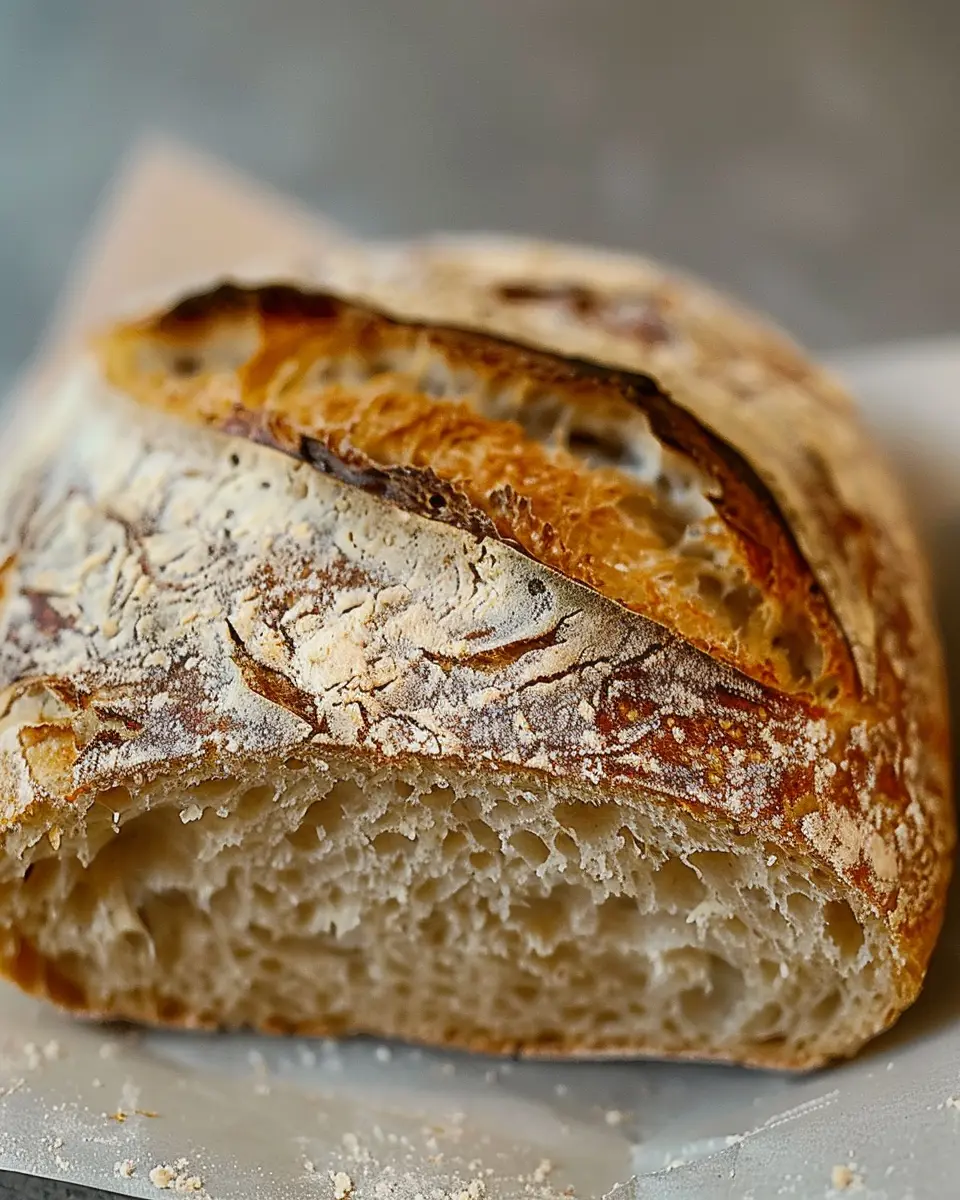
Artisan sourdough bread isn’t just another loaf; it’s a celebration of flavor, texture, and the age-old craft of bread-making. Why choose sourdough? For many, it nurtures a deeper connection to food—each loaf tells a story of fermentation and craftsmanship. The allure lies not only in its delightful taste but in the way it has captured many home bakers’ hearts, offering a tangible sense of achievement.
So, what sets this artisan sourdough bread recipe apart? Well, unlike commercial breads, sourdough utilizes natural fermentation processes that enrich the dough with complex flavors and a distinctive crust. It’s fascinating to think that the simple act of mixing flour and water with a touch of patience can yield such delicious results. A study by the International Journal of Food Science found that sourdough fermentation enhances the bioavailability of nutrients, making it a healthier choice compared to store-bought options.
When you undertake the process of creating your own artisanal sourdough, you’re not just baking; you’re engaging in a centuries-old tradition. From the moment you feed your starter—a living culture of wild yeast and lactic acid bacteria—you start building a flavor profile unique to your environment. How cool is that? You can even experiment with different types of flour—whole wheat, rye, or spelt—to discover flavors that resonate with your palate.
The beauty of sourdough lies in its versatility. Whether you’re crafting your perfect breakfast toast or a gourmet sandwich with turkey bacon and chicken ham, sourdough provides a delightful foundation. And the best part? Once you’ve mastered the basic techniques, the variations are endless.
So, are you ready to embark on this delicious journey? Grab your aprons and let’s dive into a world of crusty, flavorful, and heartwarming artisan sourdough bread. It’s time to transform simple ingredients into a culinary masterpiece!
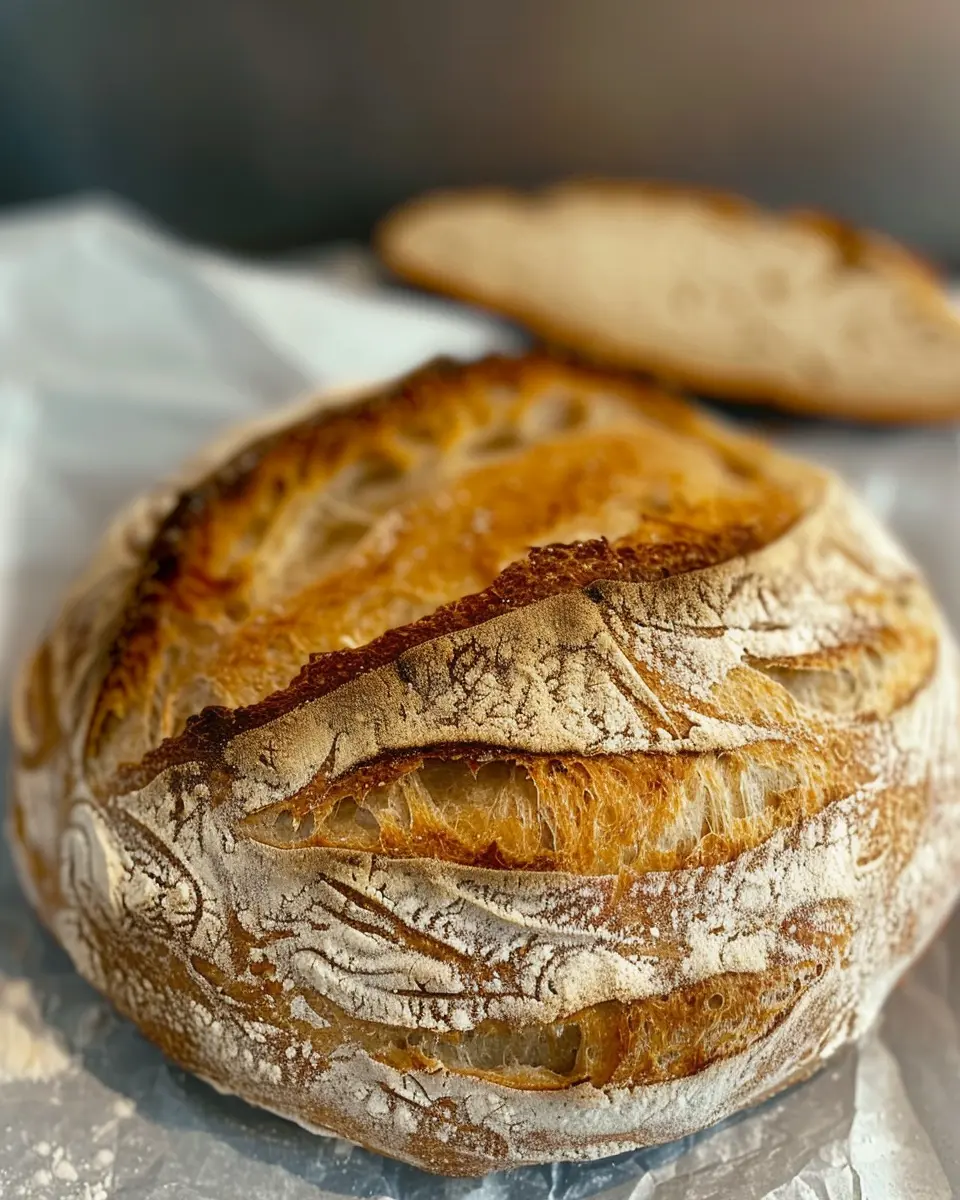
Ingredients for Artisan Sourdough Bread
Essential ingredients list
Creating your own artisan sourdough bread is a delightful experience, and having the right ingredients sets the foundation for success. Here’s what you’ll need:
- Active sourdough starter: A robust starter is essential for that signature tang and texture.
- Bread flour: Choose high-protein flour for better gluten development.
- Water: Use filtered or bottled water for purity and optimal fermentation.
- Salt: Sea salt or kosher salt adds depth to the flavor.
Each component plays a vital role, especially the sourdough starter, which should be bubbly and fragrant.
Why quality ingredients matter
Investing in quality ingredients not only improves flavor but also enhances the bread’s texture and overall quality. Flour with higher protein content aids in gluten formation, resulting in that chewy crust we all crave. Using filtered water helps maintain a balanced pH, encouraging healthy fermentation. Plus, good salt enhances the natural flavors without overpowering them.
For an in-depth look at why ingredient quality matters, check out this expert article on ingredient selection in baking.
By focusing on these details, you set yourself up for delicious success in your artisan sourdough journey!
Step-by-Step Preparation of Artisan Sourdough Bread
Making your own artisan sourdough bread can be both rewarding and therapeutic. With a straightforward approach, you’ll be amazed at how easily you can take this traditional bread-making method into your own kitchen. Let’s walk through the step-by-step preparation of this delightful bread.
Prepare your sourdough starter
Your journey begins by feeding your sourdough starter. It’s essential to use a healthy, active starter, as this is the foundation of your bread’s flavor and texture. Here’s how to prepare it:
- Feed your starter at least 4–6 hours before you plan to bake, ensuring it has doubled in size.
- Use equal weights of water and flour to keep the feeding simple.
- For example, if you have 100 grams of starter, add 100 grams of water and 100 grams of all-purpose flour.
If you’re looking to learn more about maintaining a healthy sourdough starter, sites like The Perfect Loaf offer excellent advice and resources.
Mix the dough
Once your starter is bubbly and active, it’s time to mix your dough. Combine:
- 500 grams of bread flour
- 350 grams of water (room temperature)
- 10 grams of salt
- 100 grams of your active sourdough starter
Mix the ingredients in a large bowl until no dry flour remains. It’s perfectly fine if the dough feels slightly tacky; it will develop more structure as you work with it.
First stretch and fold
Let your dough rest for about 30 minutes after mixing; this process is known as autolyse. After resting, gently stretch and fold your dough in the bowl. Here’s how to do it:
- Wet your hands to prevent sticking.
- Grab one side of the dough, stretch it upwards, and fold it over onto itself. Repeat this for all sides of the dough.
- Cover it and let it rest for another 30 minutes.
This technique adds strength to the dough and enhances flavor, creating that lovely chewy texture we all crave in artisan sourdough bread.
Continued stretch and folds
Over the next couple of hours, perform a series of stretch and folds every 30 minutes. Aim for about four or five sets. This will help develop the gluten structure, giving your bread the desired rise and texture.
Shape your loaf
After stretching and folding, it’s time to shape your dough. Turn it onto a lightly floured surface and gently shape it into a round or oblong loaf. Be mindful not to degas too much air; this is what’ll give your bread lift in the oven.
- Place the shaped dough seam-side down in a well-floured proofing basket or bowl lined with a floured kitchen towel.
Refrigeration and final proofing
After shaping, cover your dough with a kitchen towel or plastic wrap and refrigerate it for a minimum of 12–14 hours. Overnight is ideal. This long fermentation time enhances the flavor and creates a more complex sour taste.
Preheat oven and prepare for baking
About 30 minutes before you want to bake your artisan sourdough bread, place a Dutch oven (or baking stone) in the oven and preheat it to 450°F (230°C). Preheating the pan is crucial to get that initial burst of steam, promoting a better crust.
Score and bake the bread
Carefully, remove the hot Dutch oven from the oven. Gently flip your dough onto a piece of parchment paper. Using a lame or sharp knife, score the top of your loaf. This helps control where the bread expands during baking.
- Carefully lower the dough into the hot pot, cover it, and bake for 30 minutes.
- Remove the lid and continue baking for an additional 15-20 minutes until golden brown.
Once baked, let your artisan sourdough bread cool on a wire rack for at least an hour. The aroma will be irresistible, and the wait will be worth it!
This bread-making experience will not only fill your home with delightful smells; it may just become your new favorite weekend ritual. Happy baking!
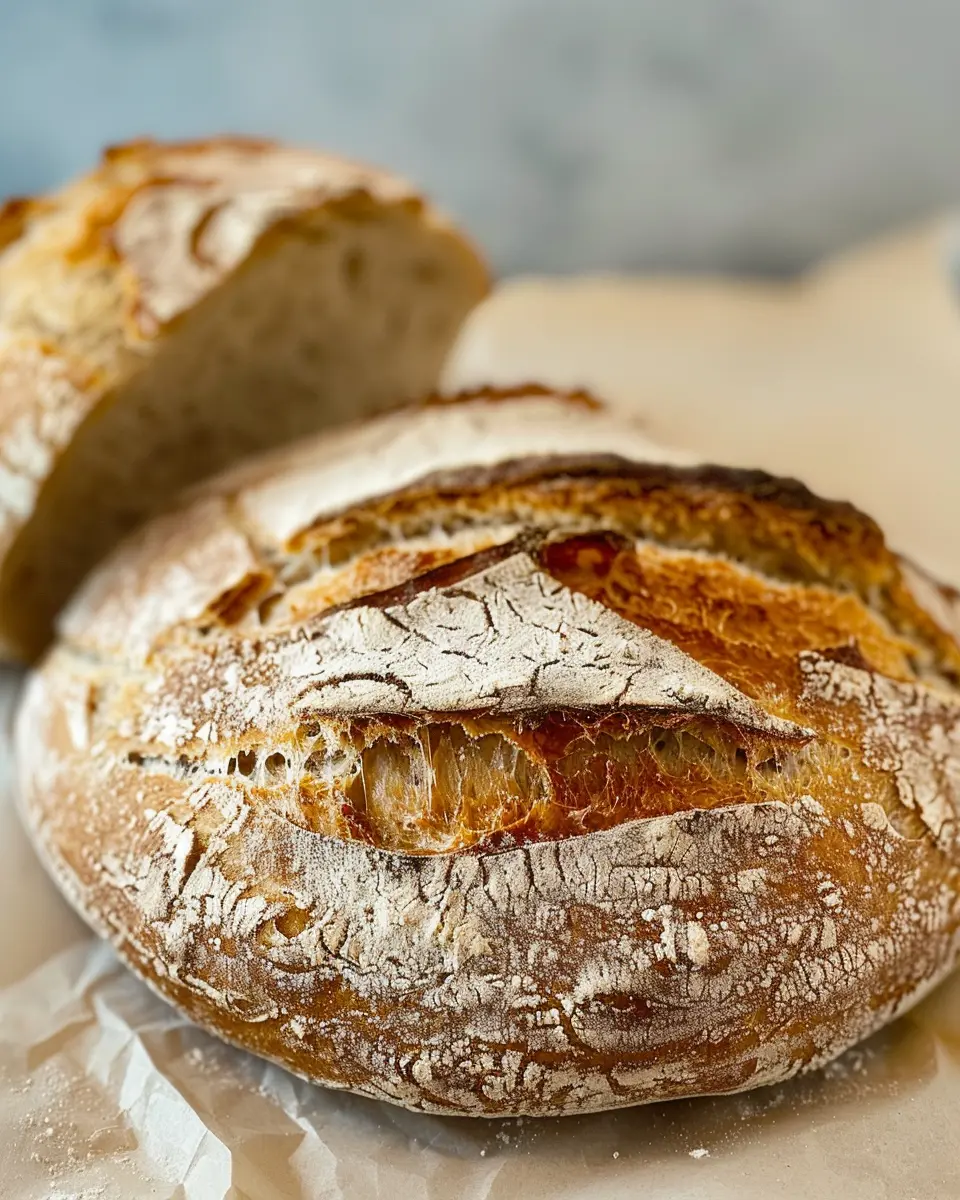
Variations on Artisan Sourdough Bread
Experimenting with your artisan sourdough bread recipe can elevate your baking game and impress friends at your next dinner party. Here are some flavorful variations to consider:
Adding Herbs and Spices
Herbs and spices can transform the flavor profile of your bread. Try mixing in:
- Rosemary for a fragrant touch
- Thyme for an earthy twist
- Garlic powder for that savory punch
Just a teaspoon or two can really elevate your loaf. You can even pair your herb-infused bread with a dipping oil for a delightful appetizer!
Incorporating Different Grains
Give your bread some texture and a nutty flavor by mixing in different grains. Whole wheat, rye, or even spelt can work wonders. Consider these options:
- Oats add a chewy consistency and are great for breakfast toast.
- Barley can provide a hearty crunch.
- Buckwheat flour offers a gluten-free alternative that’s rich in flavor.
You can learn more about the health benefits of whole grains here.
Sweet Options for Artisan Bread
Don’t shy away from sweetness! Adding ingredients like:
- Honey or maple syrup can enhance the natural flavors of sourdough.
- Dried fruits (like cranberries or apricots) lend a lovely chew and bright color.
- Nuts (such as walnuts or pecans) can enrich the loaf and provide healthy fats.
This sweet twist can make your artisan sourdough bread the perfect companion for brunch or dessert.
Playing with these variations ensures your sourdough journey is both creative and delicious. Versatility is one of the many joys of baking! What will you try first?
Cooking Tips and Notes for Artisan Sourdough
Ideal Baking Conditions
Creating the perfect environment is key for your artisan sourdough bread recipe. Aim for a warm, stable temperature between 75°F to 85°F during fermentation. If your kitchen is chilly, consider placing your dough in an oven with the light on or near a warm spot. Humidity also matters; a little extra moisture in the air can help with crust development. And don’t forget about your baking stone or Dutch oven—preheat them thoroughly to achieve that golden crust we all love.
Common Pitfalls and How to Avoid Them
Even seasoned bakers can run into trouble. One common pitfall is under-proofing, which leads to dense bread. Pay attention to your dough’s texture and size; it should double in volume during the bulk fermentation stage. Additionally, handling wet dough may be daunting, but using wet hands can ease the process. Over-proofing is another concern—watch for the “poked test,” where the dough springs back lightly when gently poked.
If you’re looking for more tips on sourdough, resources like the King Arthur Baking Company provide great insights into baking techniques and troubleshooting. Always remember, practice makes perfect in the world of bread-making!
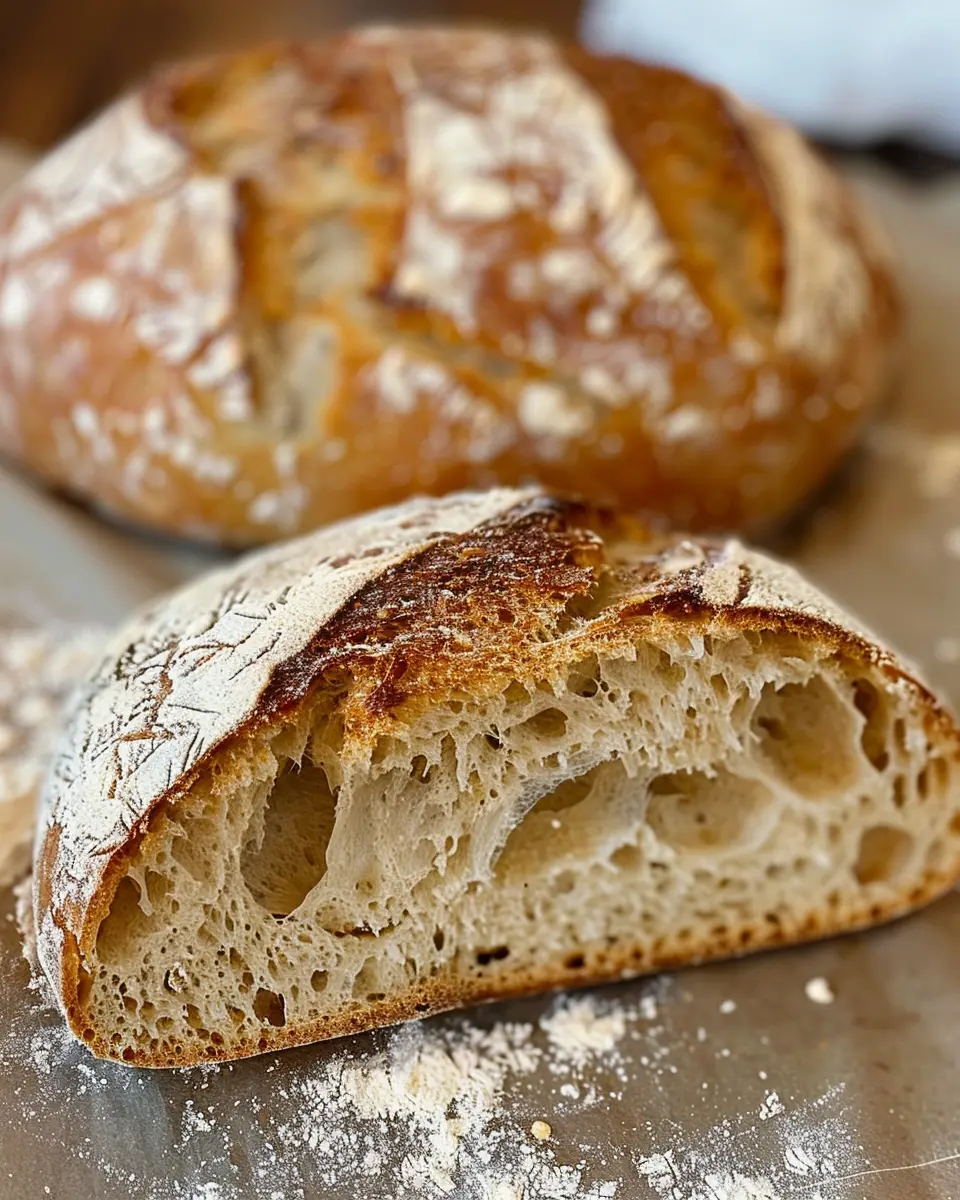
Serving Suggestions for Artisan Sourdough Bread
Ideal pairings and toppings
When it comes to your artisan sourdough bread recipe, the possibilities for delicious pairings and toppings are endless! This bread’s tangy flavor and chewy texture make it an outstanding base for various toppings.
- Avocado Toast: Smash up some ripe avocados, sprinkle with salt, and drizzle with olive oil for a quick, satisfying snack.
- Turkey Bacon and Egg Sandwich: Layer crispy turkey bacon and a perfectly fried egg for a hearty breakfast.
- Cheese and Charcuterie: Pair slices with an array of cheeses (think aged cheddar or creamy brie) and accompaniments like chicken ham or beef salami.
For a casual gathering, set up a charcuterie board with your favorite dips, fruits, and gourmet spreads to inspire your guests.
Creative uses for leftover sourdough
Leftover artisan sourdough doesn’t have to go to waste. Use stale slices to make delightful:
- French Toast: Dip in a mixture of eggs and milk, then grill for a rich breakfast treat.
- Crostini: Toast thin slices, and top with your favorite spreads like homemade pesto or a zesty tapenade.
Feel free to get creative and transform any remnants into something extraordinary. Your future self will thank you! For more stylish topping ideas, check out this post.
Time Breakdown for Artisan Sourdough Bread
Preparation Time
You’ll want to budget about 30-45 minutes for the initial setup of this artisan sourdough bread recipe. This includes mixing your ingredients, forming the dough, and letting it rest. Remember, the quality of your starter and the environment can affect this time, so keep an eye on those rising bubbles!
Baking Time
Once your loaves are ready, baking will take approximately 30-40 minutes. Your kitchen will be filled with a gorgeous aroma that will tempt even the most dedicated salad lovers. Make sure to keep an eye on your bread in the last few minutes to achieve that perfect golden-brown crust.
Total Time
In total, you’re looking at around 24 hours for the full process from start to finish, most of which is hands-off time for fermenting. While that might sound long, much of it is waiting for those delicious flavors to develop. You’ve got this—great bread is worth the wait! For more insights on the sourdough process, check out resources on sourdough baking techniques.
Nutritional Facts for Artisan Sourdough Bread
Understanding the nutritional profile of your homemade bread can enhance your baking experience and help you make informed dietary choices. Here’s a quick breakdown of what to expect from a slice of your delightful artisan sourdough bread recipe.
Calories
A single slice of artisan sourdough bread generally contains around 80-100 calories. This can vary slightly based on the specific ingredients and portion size.
Carbohydrates
Expect approximately 15-20 grams of carbohydrates per slice, primarily derived from whole grains if you choose to use them. This makes sourdough a fantastic source of energy!
Protein
Each slice offers about 3-4 grams of protein. While it’s not a protein powerhouse, it can be complemented with toppings like turkey bacon or chicken ham for a balanced meal.
Incorporating artisan sourdough into your diet not only provides nourishment but can also be an exciting addition to your culinary repertoire. For more information on the benefits of sourdough, check out this resource on Whole Grains Council. Eating homemade bread can be both satisfying and nutritious!
FAQs about Artisan Sourdough Bread
What is sourdough starter?
A sourdough starter is a blend of flour and water that captures naturally occurring wild yeast and bacteria from the environment. This living culture ferments over time, producing carbon dioxide and organic acids, which give sourdough its unique flavor and texture. It’s like your own little ecosystem! If you’re unsure how to create one, this guide on making your first sourdough starter can be immensely helpful.
Why is sourdough bread better for digestion?
Many people find artisan sourdough bread easier to digest than conventional bread. The fermentation process breaks down gluten and phytic acid, allowing for better nutrient absorption. A study published in the Journal of Food Science suggests that sourdough fermentation can enhance gut health by encouraging the growth of beneficial bacteria. So, if you’re looking for a bread that’s kind to your tummy, sourdough could be the way to go!
How do I store homemade sourdough bread?
To keep your homemade sourdough bread fresh, store it in a paper bag at room temperature for up to three days. For longer-term storage, consider slicing the bread and freezing it. Just wrap individual slices in plastic wrap and then seal them in an airtight bag. When you’re ready to enjoy a piece, simply toast it straight from the freezer. This method not only preserves freshness but also locks in that artisan flavor!
With these FAQs, you’ll feel more confident tackling your artisan sourdough bread recipe! If you’re curious about additional tips or resources, explore links to expert baking blogs that delve even deeper into the world of sourdough. Happy baking!
Conclusion on Artisan Sourdough Bread
Making your own artisan sourdough bread at home is a rewarding experience that everyone should try at least once. Not only do you have the satisfaction of crafting something delicious, but the aroma of baking bread is simply unmatched. Whether you’re an experienced baker or just starting, this artisan sourdough bread recipe using the high starter method can yield fantastic results.
Don’t be discouraged by the process; remember, practice makes perfect! With each loaf, you’ll learn and refine your technique. Plus, sharing your creations with friends and family is a great way to bond. Dive in, and let the magic of sourdough transform your kitchen! For tips on maintaining a sourdough starter, check out this helpful guide on Sourdough Starter Maintenance.
PrintArtisan Sourdough Bread Recipe: The Best High Starter Method
Learn how to make an exceptional artisan sourdough bread using the high starter method.
- Prep Time: 30 minutes
- Cook Time: 45 minutes
- Total Time: 6 hours
- Yield: 1 loaf 1x
- Category: Bread
- Method: Baking
- Cuisine: American
- Diet: Vegetarian
Ingredients
- 500 grams bread flour
- 350 grams water
- 100 grams active sourdough starter
- 10 grams salt
Instructions
- In a large bowl, mix the flour and water until fully combined.
- Let the mixture rest for 30 minutes (autolyse).
- Add the sourdough starter and salt to the mixture and mix until incorporated.
- Bulk ferment the dough for 4-6 hours, stretching and folding every 30 minutes.
- Shape the dough and place it in a proofing basket.
- Let it proof for 1-2 hours at room temperature or overnight in the fridge.
- Preheat your oven to 450°F (232°C) with a Dutch oven inside.
- Transfer the dough to the Dutch oven and bake for 30 minutes with the lid on, then 15-20 minutes with the lid off until golden brown.
- Cool on a wire rack before slicing.
Notes
- Use high-protein bread flour for best results.
- Adjust water based on your flour’s absorption rate.
Nutrition
- Serving Size: 1 slice
- Calories: 120
- Sugar: 0.5 grams
- Sodium: 400 milligrams
- Fat: 1 gram
- Saturated Fat: 0 grams
- Unsaturated Fat: 0 grams
- Trans Fat: 0 grams
- Carbohydrates: 25 grams
- Fiber: 1 gram
- Protein: 4 grams
- Cholesterol: 0 milligrams
Keywords: Artisan Sourdough bread recipe, High starter method