
Introduction to Winter Minestrone
As the temperature drops and the days grow shorter, nothing warms the soul quite like a steaming bowl of winter minestrone. This hearty Italian soup is not just a dish; it’s a delightful hug in a bowl, brimming with flavor, color, and nourishing ingredients. Packed with seasonal vegetables, beans, and pasta, this soup embraces everything that winter has to offer—making it a perfect addition to your culinary repertoire.
Why Winter Minestrone is the Perfect Comfort Food
At its core, winter minestrone is a celebration of winter’s bounty. Common ingredients include carrots, zucchini, kale, and potatoes, which not only provide a burst of nutrition but also deliver a comforting experience. The versatility of this dish means you can toss in whatever vegetables you have on hand, reducing waste and maximizing flavor. Plus, using Turkey Bacon or Chicken Ham gives it an added layer of depth without overpowering the fresh ingredients.
You might wonder, “What makes this soup so satisfying?” Well, it’s all about the combination of textures and flavors. The creamy beans blend seamlessly with tender pasta, while a sprinkle of fresh herbs adds brightness. This medley is sure to remind you of cozy family dinners or chilly evenings spent with friends. According to a study by the National Institute of Health, warm foods, especially soups, can enhance feelings of comfort and satisfaction, especially during winter months. So understanding that, isn’t it time to treat yourself to a homemade batch?
For those who prefer a plant-based option, winter minestrone can easily be adapted to exclude meat or substitute with vegetable-based alternatives. You can also check out this insightful article on the benefits of seasonal eating to inspire your next cooking endeavors.
In short, winter minestrone is more than just food; it’s a warming embrace on a cold night, a canvas for your culinary creativity, and a reminder to savor the moment. So grab your favorite pot, gather some seasonal ingredients, and let the magic begin. You might just find that this soup becomes a winter staple in your kitchen!
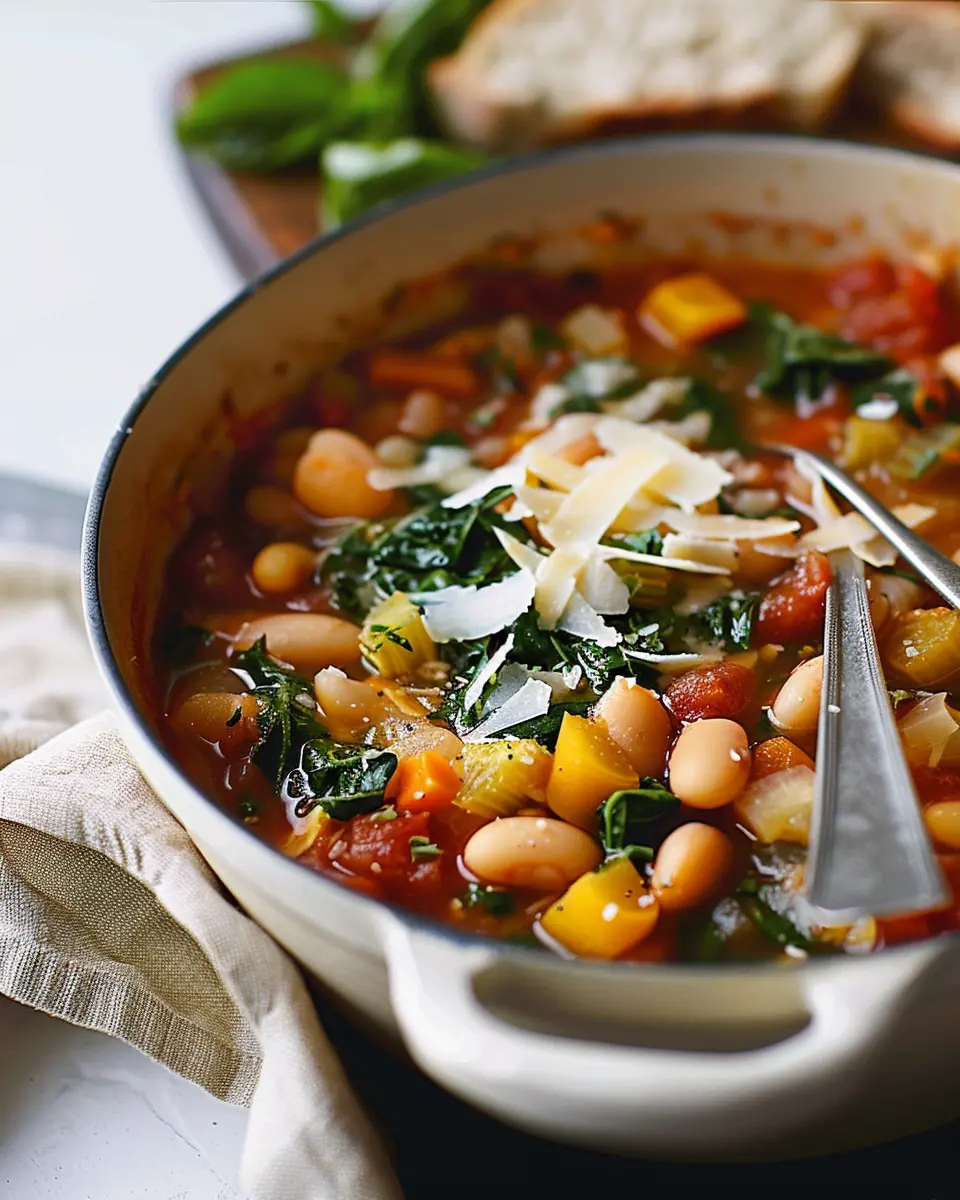
Ingredients for Winter Minestrone
When it comes to crafting a warm and hearty winter minestrone, the key is to gather fresh, seasonal ingredients that sing with flavor. Here’s what you’ll need for a delightful bowl of goodness:
- Vegetables: A colorful mix is essential! Think carrots, potatoes, zucchini, and kale. Each veggie adds its own unique texture and taste.
- Proteins: Incorporate protein to keep you full and satisfied. We recommend using Turkey Bacon for a smoky flavor and Chicken Ham for some savory depth.
- Beans: White beans or kidney beans are fantastic additions, rich in fiber and nutrients. They add creaminess while boosting protein content.
- Broth: A flavorful vegetable broth acts as the base of your soup, enriching each bite.
- Herbs & Spices: Fresh basil and a dash of oregano can elevate the soup. Don’t forget salt and pepper to bring all the flavors together!
For tips on selecting the best ingredients, check out this source. Cooking your winter minestrone should be a joyful experience — enjoy personalizing it with your favorites!
Preparing Winter Minestrone
When the temperature drops and days become shorter, there’s nothing quite like a steaming bowl of winter minestrone to warm you up. Packing in nutritious ingredients while keeping it delicious, this hearty soup is as comforting as a cozy blanket on a chilly day. Let’s walk through the cooking process, so you can create a delightful pot of this flavorful goodness.
Soak the Farro
To kick things off, you’ll want to prepare the farro. This ancient grain is packed with fiber and adds a satisfying chewiness to your soup. Start by rinsing it under cold water to remove any dirt or debris. Then, soak it in a bowl of water for at least half an hour. Why soak it? Soaking helps to soften the grain, allowing it to cook faster and blend seamlessly into your winter minestrone. If you’re pressed for time, you can skip this step, but it certainly adds an extra touch of texture.
Sauté the Aromatics
Next, you’ll want to bring out the flavors of your aromatics. In a large pot, heat a drizzle of olive oil over medium heat. Toss in a chopped onion, diced carrots, and celery, allowing them to sauté for about 5–7 minutes until they’re tender and fragrant. This simple combination, known as a mirepoix, forms the flavor foundation of your soup. For an extra twist, consider adding minced garlic or herbs like thyme or rosemary—these will elevate the flavor profile even further.
Build the Base with Tomatoes and Stock
Once your aromatics are beautifully caramelized, it’s time to build the base of your winter minestrone. Pour in a can of diced tomatoes (about 14 ounces) along with their juices. This adds a touch of sweetness and acidity that will harmonize the flavors. Next, pour in vegetable or chicken stock until it covers the vegetables, roughly 4–6 cups, depending on how thick you like your soup. Not only does the stock add heartiness, but it also ensures your soup isn’t dry. For more depth, you can even add a splash of lemon juice to brighten the flavors.
Incorporate the Farro
Now that your base is simmering, it’s time to incorporate that soaked farro. Drain the farro and add it to the pot, stirring everything together. Let this mixture simmer for about 20–25 minutes. The farro will absorb the flavors of the broth, contributing to the overall richness of the soup. Remember to taste-test occasionally and adjust the seasoning with salt and pepper as needed—your palate will guide you!
Add the Cannellini Beans
For a creamy texture and added protein, it’s time to add the cannellini beans. Rinse and drain a can of these white beans, then stir them into your soup. These beans not only provide nutrients but also complement the farro beautifully. Let everything simmer together for another 10 minutes. By this time, your kitchen should be filled with an irresistible aroma, tempting anyone nearby to ask what’s cooking.
Stir in the Kale
Finally, the finishing touch! Roughly chop some fresh kale and stir it into your winter minestrone. The kale will wilt down quickly, adding vibrant color and essential vitamins to your dish. Allow the soup to simmer for just a few more minutes until everything is heated through. Serve with a sprinkle of parmesan cheese or a drizzle of olive oil for that final flourish.
Once you’ve crafted this winter minestrone, it’s not just a meal; it’s an experience. Each spoonful promises warmth and comfort—perfect for those long, chilly nights. So, grab a bowl, invite some friends over, and enjoy this winter classic together! For more tips on healthy eating during the colder months, check out Healthline’s winter nutrition guide.
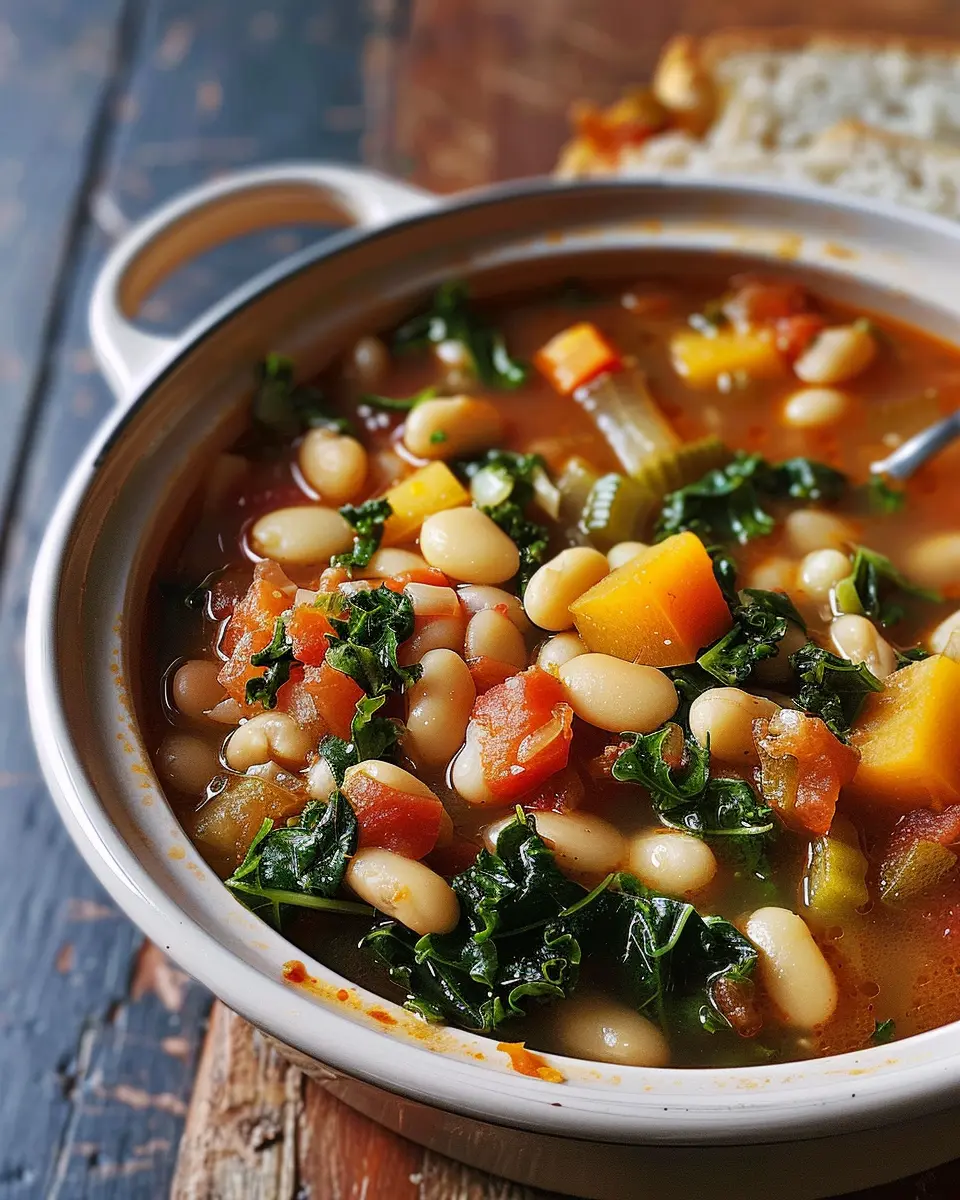
Variations on Winter Minestrone
When it comes to crafting the perfect winter minestrone, the beauty lies in its versatility. This hearty dish can adapt to the flavors and ingredients of the season, making it a canvas for creativity.
Seasonal Vegetable Variations
Feel free to swap in whatever vegetables are fresh and available. Here are some options to inspire you:
- Root Vegetables: Carrots, parsnips, and sweet potatoes add a delightful sweetness and earthiness.
- Greens: Kale and chard not only offer a vibrant color but are packed with nutrients. Simply stir them in during the last few minutes of cooking for optimal texture.
- Squashes: Butternut or acorn squash lends a creamy richness that complements the broth beautifully.
Aside from the usual suspects, don’t hesitate to try seasonal favorites like Brussels sprouts or turnips for a unique twist.
Protein Additions: How to Make it Heartier
To kick up the heartiness of your winter minestrone, consider adding some protein. Here are some ideas:
- Turkey Bacon: Crumble crispy turkey bacon into your soup to bring a smoky flavor without hefty calories.
- Chicken Ham: Diced chicken ham is another great addition, imparting that savory depth while being lower in fat than traditional pork options.
- Beans or Lentils: For a vegetarian-friendly boost, toss in chickpeas or lentils. They provide iron and protein, making your soup satisfying and filling.
Making these simple variations can keep your winter minestrone exciting all season long. The beauty of this recipe is that it truly can be tailored to your preferences and what you have on hand. So, what will your next minestrone masterpiece look like?
For more inspiration, check out seasonal recipes on Epicurious or Food Network.
Cooking Tips and Notes for Winter Minestrone
Making the perfect winter minestrone is all about balance and personal flair. Here are some tips to elevate your soup game:
Fresh Ingredients are Key
Using seasonal vegetables not only boosts flavor but also enhances nutrition. Think root vegetables like carrots, parsnips, and hearty greens. Local farmers’ markets can be a great resource for picking the freshest produce.
Customize Your Protein
Consider swapping in Turkey Bacon or Chicken Ham for added depth. For a vegetarian option, you might include beans or lentils, which are excellent protein sources. If you fancy a little extra heartiness, adding some beef can take this soup to the next level.
Flavor Boosting Tips
- Herbs and Spices: Fresh herbs like basil and a sprinkle of oregano truly brighten up the dish. Don’t be shy with your seasoning!
- Broth Variations: If you’re looking for a non-alcoholic alternative, try adding a splash of apple cider vinegar or lemon juice to brighten the flavors.
Remember to taste constantly as you go. Cooking should be an adventure! For more on creating delightful soups, check out this guide by Epicurious that dives deeper into flavor profiles and ingredient combinations.

Serving Suggestions for Winter Minestrone
When it comes to winter minestrone, the serving options are just as delightful as the soup itself! This humble dish is versatile, making it a perfect companion for various side dishes and toppings that can elevate your dining experience.
Ideal Accompaniments
-
Crusty Bread: A slice of warm, crusty artisan bread pairs beautifully with winter minestrone. The bread is perfect for soaking up the rich broth and adds a satisfying texture to your meal.
-
Salad Starter: A fresh green salad can complement the warm flavors of the soup. Go for a light, citrusy vinaigrette to balance out the warmth of the minestrone. Great choices include arugula or spinach salads featuring seasonal fruit, nuts, or cheese.
Flavor Enhancements
- Toppings Galore: To customize your bowl, consider adding freshly grated Parmesan cheese, fresh herbs like basil or parsley, or a sprinkle of red pepper flakes for a little heat. A drizzle of high-quality olive oil over the top right before serving can amplify the flavors beautifully.
These serving suggestions not only enhance your winter minestrone but also invite creativity into your kitchen. Try experimenting and find what works best for your palate! For more ideas on winter comfort foods, check out resources from Bon Appétit or Food Network.
Time Breakdown for Winter Minestrone
Preparation Time
Preparing your winter minestrone is a breeze, taking about 15 minutes. Gather your fresh vegetables, canned beans, and flavorful ingredients like chicken ham and turkey bacon for a heartwarming touch.
Cooking Time
Let that deliciousness simmer! Cook the winter minestrone for around 30-35 minutes. This allows all those rich flavors to meld together perfectly, creating a nourishing bowl that feels like a warm hug on a cold day.
Total Time
In just under an hour—roughly 50 minutes—you’ll have a delightful pot of winter minestrone ready to enjoy. Perfect for busy young professionals, this meal not only satisfies but also provides a healthy and fulfilling dining experience.
For tips on meal prep efficiency, check out Eat Well Exchange where experts share insights on maximizing your kitchen time. Happy cooking!
Nutritional Facts for Winter Minestrone
Winter minestrone is not just a comforting bowl of goodness; it’s packed with nutritional benefits that can keep you energized through the colder months. Understanding its nutritional profile can help you appreciate this hearty dish even more.
Calories
A serving of winter minestrone typically contains around 250 calories. This makes it a suitable option for anyone looking to enjoy a filling meal without overindulging.
Fiber
One of the standout features of winter minestrone is its rich fiber content, thanks to the variety of vegetables and legumes included. You can expect roughly 10 grams of fiber per serving, which supports healthy digestion and can keep you feeling satiated longer.
Vitamins
Loaded with seasonal vegetables like carrots, spinach, and tomatoes, winter minestrone is an excellent source of essential vitamins, particularly vitamin A, vitamin C, and vitamin K. These nutrients bolster immune function, promote skin health, and contribute to better bone health. For a deeper dive into the benefits of including more vegetables in your diet, check out this source from the Harvard T.H. Chan School of Public Health.
By enjoying a warm, homemade bowl of winter minestrone, you’re not only treating your taste buds but also fueling your body with essential nutrients that support overall well-being. So, why not make it a regular addition to your winter meal plan?
FAQs about Winter Minestrone
Can I make Winter Minestrone in advance?
Absolutely! In fact, making winter minestrone ahead of time can enhance the flavors as they meld together. If you prepare it a day or two in advance, just store it in an airtight container in the fridge. When you’re ready to enjoy your warm bowl of soup, simply reheat it on the stovetop, adding a splash of vegetable broth if it’s thickened too much. Planning to serve it at a gathering? You could even make a double batch and freeze half for a cozy night down the road.
How can I store leftovers?
Storing leftovers is a breeze with winter minestrone. After your meal, let it cool down to room temperature, then transfer it to a marked airtight container. If sealed properly, it can stay fresh in the refrigerator for up to three days. For longer storage, consider freezing it. Portioning out individual servings can be handy for quick lunches or dinners. Just remember to defrost it in the fridge overnight before reheating. Check out this guide on proper food storage for more tips!
What can I substitute for farro?
If you can’t find farro or want to try something different, there are a few great alternatives. Quinoa offers a similar nutty flavor and is gluten-free, while bulgur cooks quickly and adds hearty texture to your winter minestrone. Brown rice is another wonderful option, though it may take a bit longer to cook. Whatever you choose, you’ll still be left with a delicious, nourishing soup!
These tips will ensure that your winter minestrone stays flavorful and satisfying, giving you that warm, comforting feeling all season long.
Conclusion on Winter Minestrone
As we wrap up our delightful journey into the world of winter minestrone, it’s clear that this hearty soup is more than just a meal; it’s a warm embrace on a chilly day. Packed with seasonal vegetables and enriched with flavors from turkey bacon and chicken ham, every spoonful offers comfort and nourishment.
Whether you’re preparing for a cozy night in or feeding a group, this versatile recipe adapts beautifully to your preferences. You can easily customize it with your favorite ingredients. Remember, soup is about creativity—don’t hesitate to experiment! For more healthy soup options, check out TheKitchn or EatingWell for inspiration. Happy cooking!
PrintWinter minestrone: Hearty and Healthy Comfort Food Recipe

Warm up with this hearty winter minestrone, a delicious blend of vegetables and beans perfect for the colder months.
- Prep Time: 15 minutes
- Cook Time: 35 minutes
- Total Time: 50 minutes
- Yield: 6 servings 1x
- Category: Soup
- Method: Stovetop
- Cuisine: Italian
- Diet: Vegetarian
Ingredients
- 1 tablespoon olive oil
- 1 onion, diced
- 2 carrots, diced
- 2 celery stalks, diced
- 4 cloves garlic, minced
- 1 zucchini, diced
- 1 cup green beans, chopped
- 1 can (14 oz) diced tomatoes
- 4 cups vegetable broth
- 1 can (15 oz) cannellini beans, rinsed and drained
- 1 teaspoon Italian seasoning
- Salt and pepper to taste
- 2 cups fresh spinach
- 1 cup cooked pasta
Instructions
- Heat olive oil in a large pot over medium heat.
- Add onion, carrots, and celery; sauté until soft.
- Stir in garlic, zucchini, and green beans; cook for another 5 minutes.
- Add tomatoes, vegetable broth, and cannellini beans; bring to a boil.
- Lower heat and simmer for 20 minutes.
- Stir in Italian seasoning, salt, pepper, spinach, and cooked pasta; heat through.
Notes
- For added protein, include cooked chicken or sausage.
- Customize vegetables based on what’s in season.
Nutrition
- Serving Size: 1 bowl
- Calories: 250
- Sugar: 4g
- Sodium: 600mg
- Fat: 7g
- Saturated Fat: 1g
- Unsaturated Fat: 5g
- Trans Fat: 0g
- Carbohydrates: 40g
- Fiber: 10g
- Protein: 12g
- Cholesterol: 0mg
Keywords: Winter Minestrone, Comfort Food, Hearty Soup